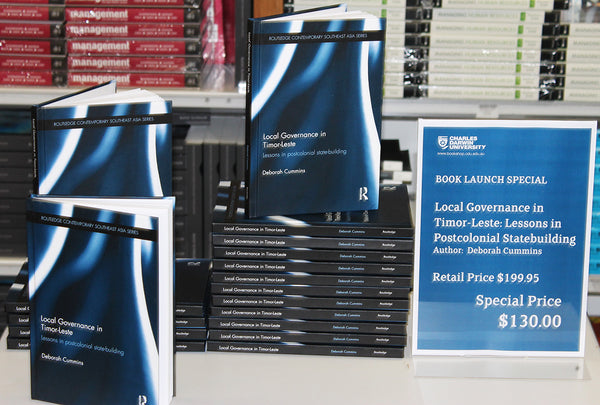
As with many other postcolonial nations around the world, Timorese communities are characterised by two systems of law and governance: the law and governance of the state, and customary law and governance which has served Timorese villages for centuries. It is not a question of choosing between one or the other: customary governance, known as lisan or adat, continues to be strong, particularly in the rural areas, even as democratisation takes hold. This is everyday reality for Timorese villagers, who cross daily between these two systems, but is something that organisations engaged in the statebuilding process have found difficult to understand and engage with. Drawing on approximately 5 years’ fieldwork, the author examines some of the implications of this basic reality for those working in communities, and for the statebuilding and development process more generally.


